
REGENCY LIGHT
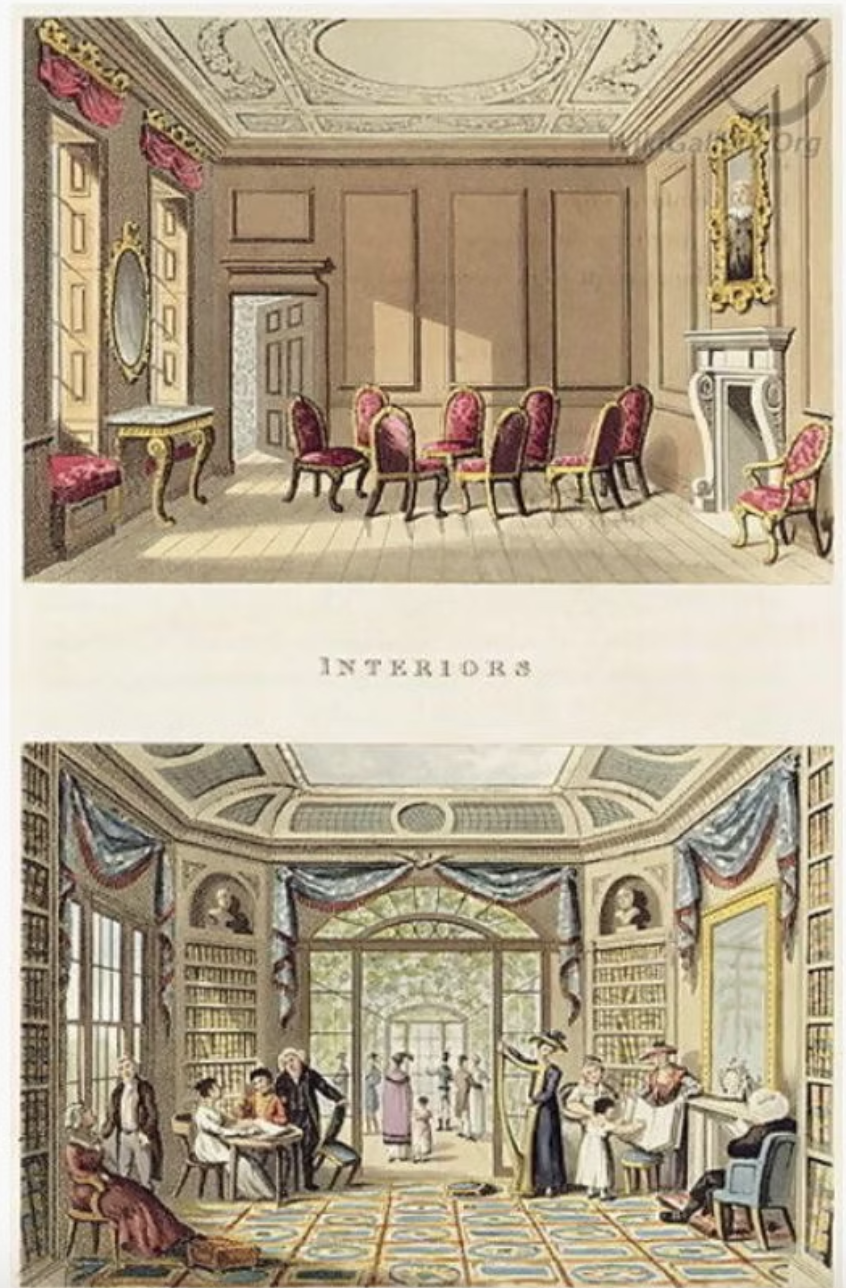
The Regency period in Britain (c.1811-1820) was marked by a renewed interest in classical Greek and Roman styles. Designers favoured balance, proportion and clear structure, avoiding excessive decoration. Interiors were carefully arranged, with attention to light, space and the quality of materials to reflect taste and social status rather than ornament alone.
Rooms were often bright and spacious, enhanced by mirrors, pale wall colours and carefully positioned lighting. Decorative objects were chosen not for novelty, but for how well they contributed to a coherent, classically informed interior.
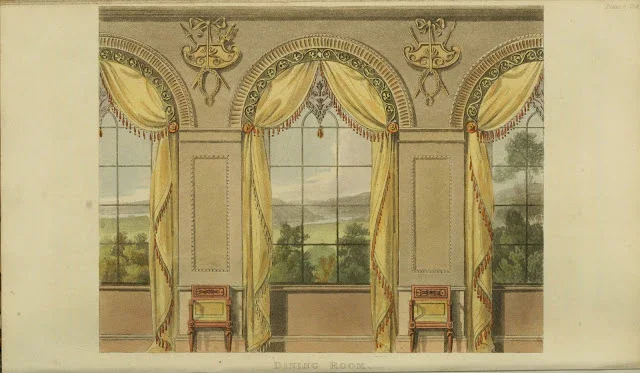
Image from Period Design & Furnishing: A Sourcebook for Home Restoration and Decoration (Judith & Martin Miller).
Lighting in the Regency Home
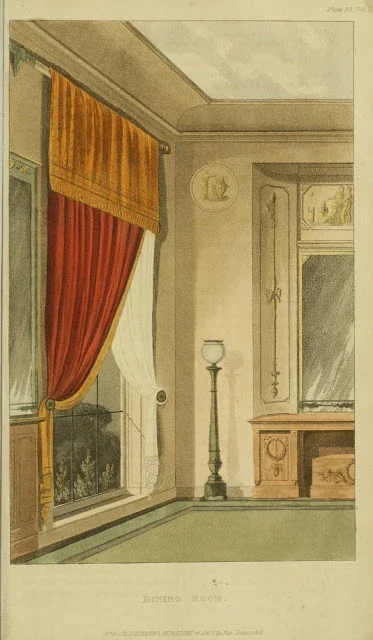
Before the advent of gas and electric lighting, the lighting of a room demanded careful consideration. Chandeliers, wall lights and lamps worked together to distribute light evenly through a room, avoiding harsh contrasts. Portable lanterns were particularly useful in hallways, staircases and gardens, where enclosed flames offered both safety and reliability. Storm lanterns evolved from this need, combining glass shades and solid construction to maintain a steady light even in draughty or outdoor conditions, with forms shaped by practical and proportional design.
Using Regency Lanterns Today
While modern lighting no longer relies on flame, the Regency approach - using light to highlight proportion, mood and space - remains relevant. A storm lantern adds warmth to a space, whether placed indoors or outdoors, and brings with it a quiet reference to early 19th-century life.
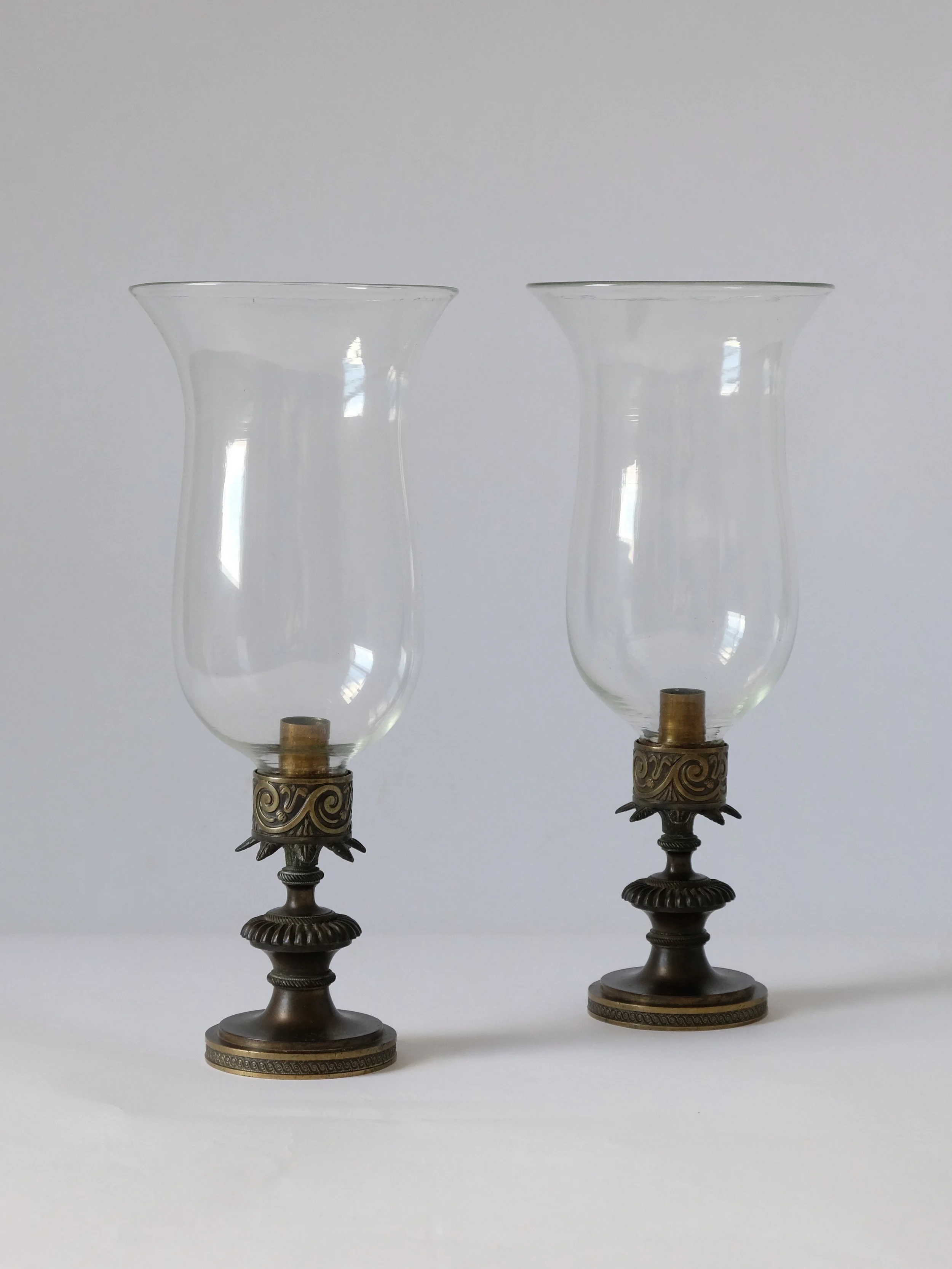
A pair of Regency storm lanterns.
Each lantern has a waisted glass shade set above a finely cast bronze base.
Circa 1820.
29.3cm H.